GENERAL EDITORS
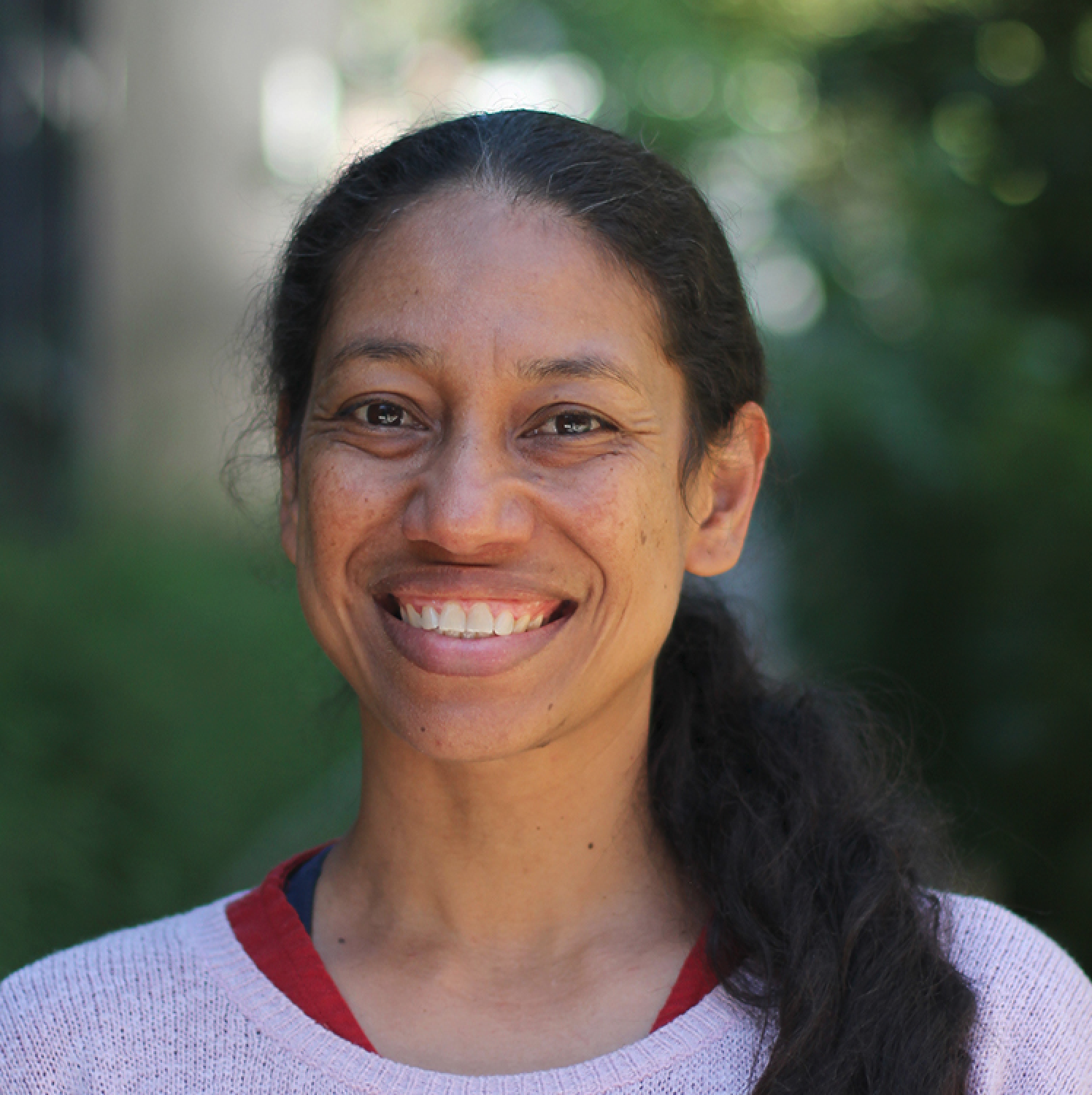
Katerina Teaiwa is Professor of Pacific Studies at the Australian National University and author of the landmark book on phosphate mining in the Pacific, Consuming Ocean Island (Indiana University Press, 2015). An interdisciplinary scholar and artist of Banaban, I-Kiribati and African American heritage, Teaiwa has also presented her research via visual and performance media in her globally acclaimed exhibition, Project Banaba (2017—). She has been a powerful advocate for not only Pacific history, but also the Pacific arts and the Pacific environment, consulting for UNESCO, the EU, and DFAT. Teaiwa is Editor of the leading journal for Pacific humanities, The Contemporary Pacific. She will help edit vol. 6.
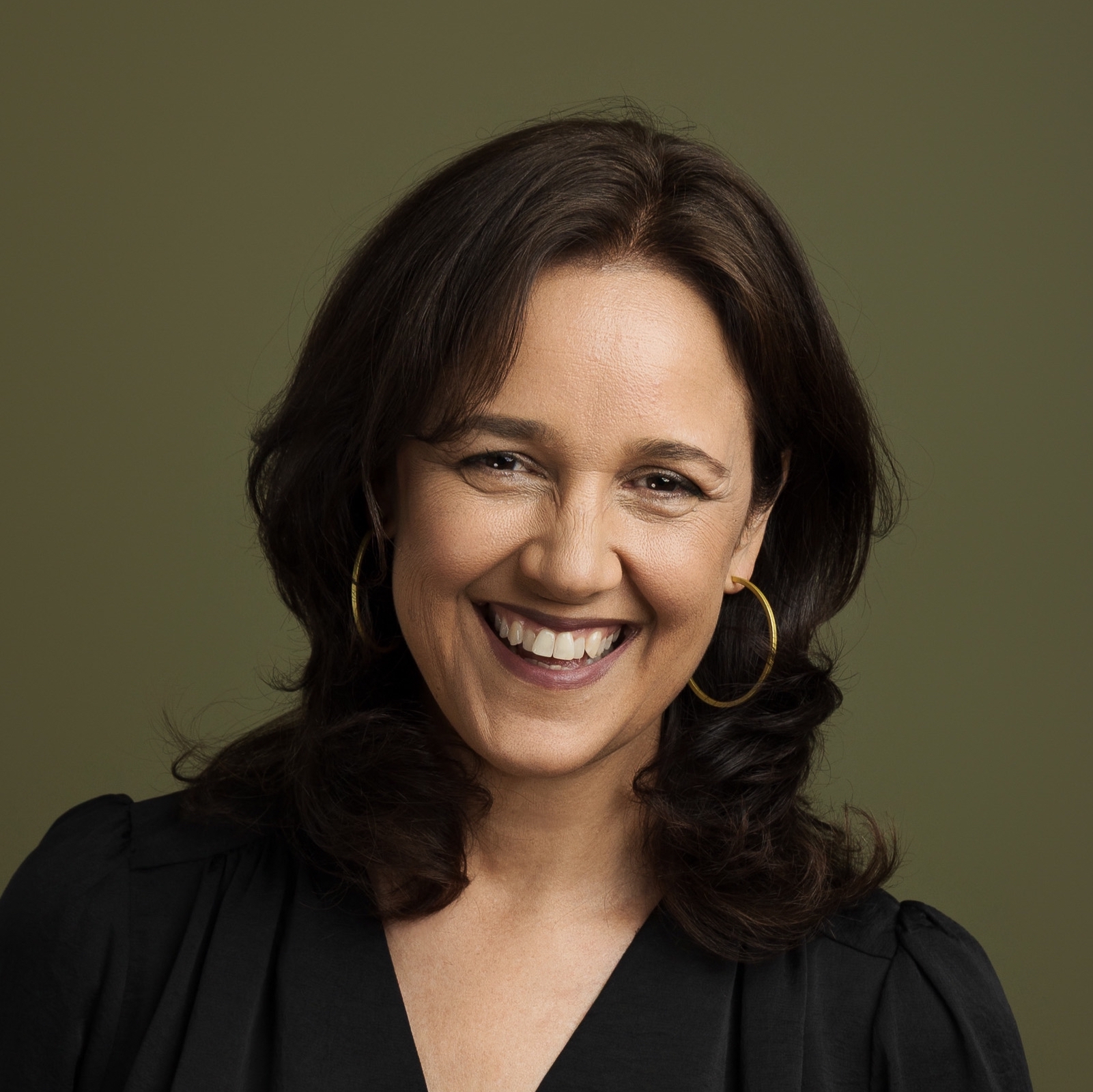
Kate Fullagar, FAHA, is Professor of History at the Australian Catholic University and Vice President of the Australian Historical Association. Her books include Bennelong & Phillip: A History Unravelled (Simon & Schuster, 2023) and the award-winning The Warrior, the Voyager, and the Artist: Three Lives in an Age of Empire (Yale, 2020). She edited with Michael McDonnell Facing Empire: Indigenous Experiences in a Revolutionary Age (JHUP, 2018). A descendant of English settlers, she will help edit vol. 4.
EDITORS
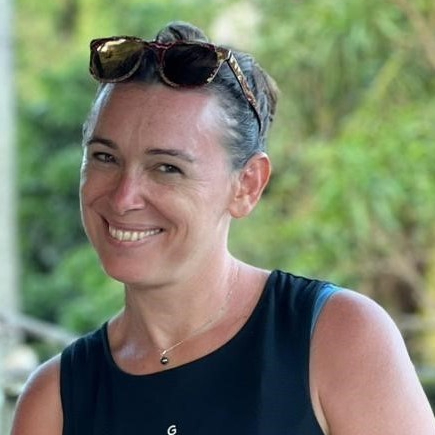
Emilie Dotte-Sarout is a Senior Lecturer in archaeology at the University of Western Australia, on Whadjuk Boodjar. She held an Australian Research Council DECRA from 2020-2024, researching the history of women in early Pacific archaeology, building on previous work with the Collective Biography of Archaeology in the Pacific project (ANU, 2015-2020). In parallel, she continues to lead the development of archaeobotany in the Pacific and Australia. Emilie is a descendant of settlers brought to Kanaky-New Caledonia under the French penal colonial system. She will help edit volume 3.
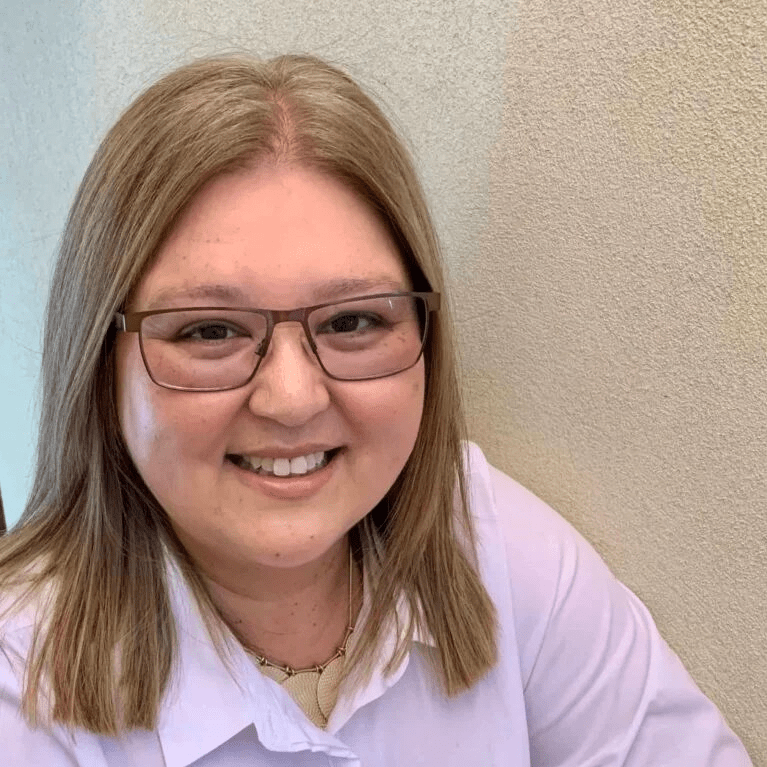
Shino Konishi, FAHA, is an Associate Professor in the School of Indigenous Studies and School of Humanities at the University of Western Australia. She descends from the Yawuru people of Broome, WA. Her books are The Aboriginal Male in the Enlightenment World (2012), The Lives and Legacies of a Carceral Island: A Biographical History of Wadjemup/Rottnest Island (2023) with Ann Curthoys and Alexandra Ludewig, and with Maria Nugent and Tiffany Shellam (eds.) Indigenous Intermediaries: New Perspectives in Exploration Archives (2015) and Brokers and Boundaries: Colonial Exploration in Indigenous Territory (2016). She will help edit vol. 4.

Leah Lui-Chivizhe is a Torres Strait Islander and Scientia Senior Lecturer at UNSW. A historian and curator, her research focuses on how nineteenth century collections from the Torres Strait can reconnect Islanders with their pre-colonial histories of the human and other-than-human and contribute to the decolonial praxis of collector institutions. Her current projects include ‘Reclaiming Turtles All the Way Down’ and ‘Fault Lines: Imagining Indigenous futures for colonial collections’. Leah’s most recent book, Masked Histories: Turtle shell masks and Torres Strait Islander people (MUP, 2022) was highly commended for Australian History in the 2023 NSW Premier’s History Awards . Leah will help edit vol. 5.
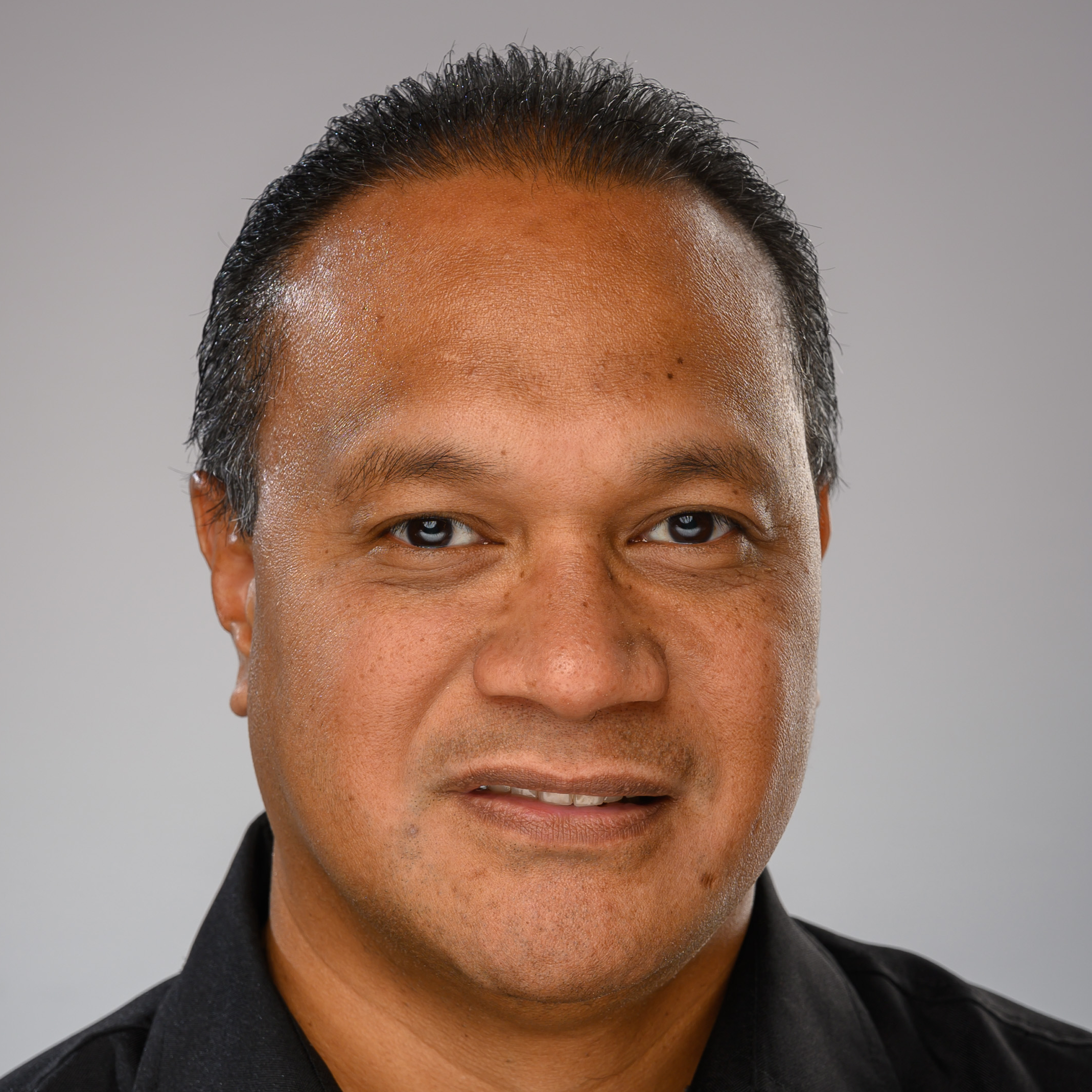
Tēvita O. Kaʻili has ancestral ties to Tonga, Sāmoa, Fiji, and Rotuma. He is a descendant of Tangaloa, Maui, and Hina. Tēvita authored Marking Indigeneity and serves as a Professor of Anthropology and Cultural Sustainability at BYU Hawaiʻi. Along with Hūfanga-He-Ako-Moe-Lotu Professor Dr. ʻOkusitino Māhina and colleagues, he co-formulated the Indigenous tā-vā philosophy of reality. Tēvita earned his Ph.D. in Anthropology from the University of Washington. He will help edit volume 1.

Dr Crystal McKinnon (she/her) is an Amangu Yamatji person and Associate Professor of History, Law and Justice at the University of Melbourne. She is an ARC DECRA fellow (2024) and member of the executive of ARC Centre of Excellence: Indigenous Futures (2024). Crystal is co-editor of Aboriginal History journal, co-convening editor of Postcolonial Studies journal and her most recent work is published in The Cambridge World History of Genocide (2023). She is the Chair of the Board of the Victorian Aboriginal Legal Service, a board member for the Aboriginal History Archive at Victoria University, and she sits on the steering committees of the Law and Advocacy Centre for Women and the Dhadjowa Foundation. She will help edit vol. 5.

Talei Mangioni is a Pacific Studies researcher and teacher based at the School of Culture, History and Language at the Australian National University. She is of mixed Fijian and Italian descent and lives on the unceded lands of the Bidjigal and Gadigal people. Her PhD research focuses on the creative and critical histories of the Nuclear Free and Independent Pacific from the 1970s onwards. She is also the secretary of the Australian Association for Pacific Studies, and is a member of Youngsolwara Pacific, the Oceania Working Party of the Australian Dictionary of Biography and ICAN Australia. Talei will help edit vol. 6.
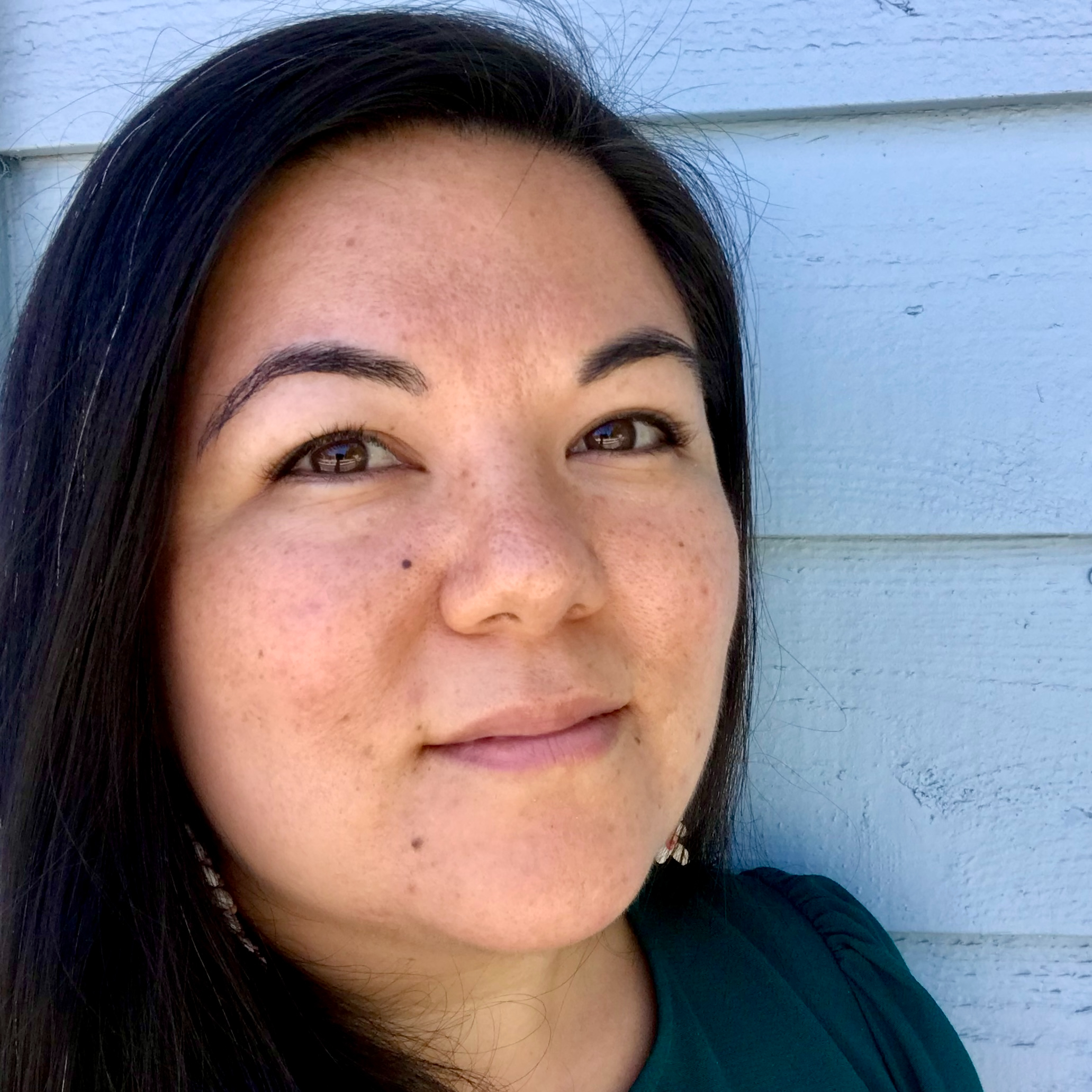
Kailani Polzak is an Assistant Professor in the History of Art and Visual Culture at the University of California, Santa Cruz. Her current book project examines the graphic and printed works created on the so-called “Voyages of Discovery” conducted by Britain, France, and Russia in Aotearoa New Zealand, Australia, and Hawaiʻi in the late eighteenth and early nineteenth centuries and traces how these pictures were mobilized in constructions of racial difference in Europe. Her research and publications emphasize the methodological questions raised by writing about and curating colonial histories from multiple perspectives. She will help edit volume 4.
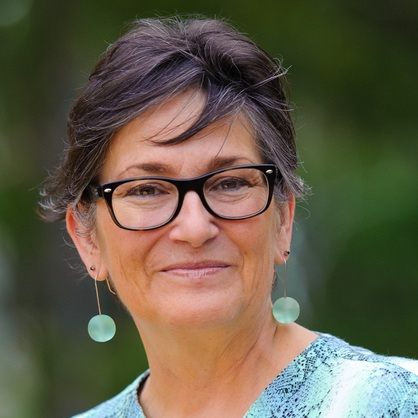
Lynette Russell AM, FASSA, FAHA, a descendant of the Wotjabaluk people of western Victoria, is currently a Kathleen Fitzpatrick Laureate Fellow at Monash University. She is also the Deputy Director of the Australian Research Council’s Centre of Excellence in Biodiversity and Heritage, and Director of the Monash Indigenous Centre. She is an elected member of AIATSIS, the Royal Historical Society (London) and the Royal Anthropological Institute (London). Her most recent books include: A Trip to the Dominions: The event that changed Australian Science; Australia’s First Naturalists: Indigenous Peoples’ Assistance to Early Zoologist, with Penny Olsen; Hunt Them, Hang Them: the ‘Tasmanians’ in Port Phillip, 1841-42 with Kate Auty. She will help edit volume 3.

Ben Shaw FSA is a Senior Lecturer in archaeology at the Australian National University. Ben’s research is geographically focused on Papua New Guinea where he has undertaken extensive fieldwork over the past 16 years across many island, coastal and highland regions. He has also worked in Australia, New Zealand, and French Polynesia. For his PhD research, Ben worked with local communities to develop an archaeological sequence for Rossel Island in eastern Papua New Guinea to contextualise the long term histories of this linguistically unique population. This was followed by a postdoctoral fellowship (2015-2016) and a DECRA fellowship (2017-2020), both at the University of New South Wales in Sydney, before taking up a lectureship at ANU in 2020. Ben will help edit volume 2.
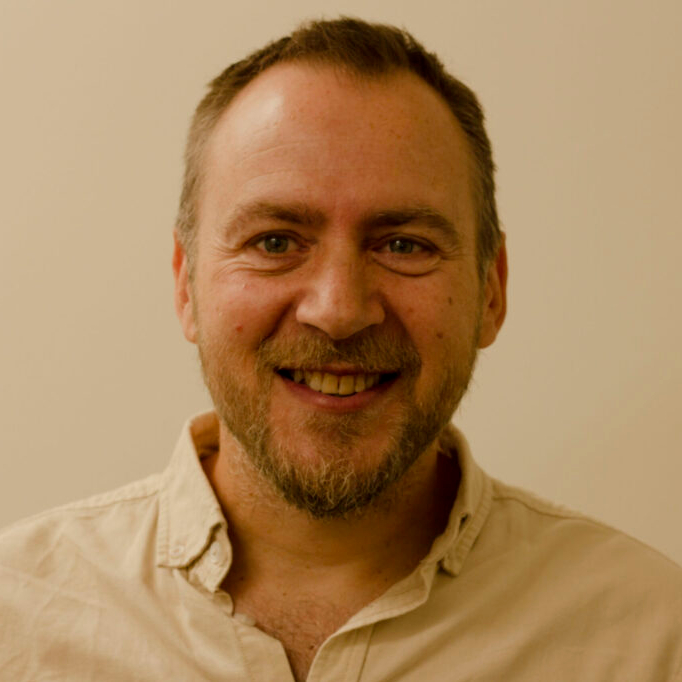
Ray Tobler is a population geneticist of mixed Pakeha-Aboriginal Australian heritage who specialises in human evolutionary history at the ANU. He has made key contributions to our understanding of human dispersals beyond Africa and the subsequent peopling of Island Southeast Asia, New Guinea, and Australia by 50,000 years ago. Ray currently collaborates with Indigenous communities across these regions in co-designed projects that interweave Western sciences and Indigenous knowledges to better understand how interactions between genes, culture, language, and environments have shaped human bio-cultural diversity. He will help edit vol. 1.
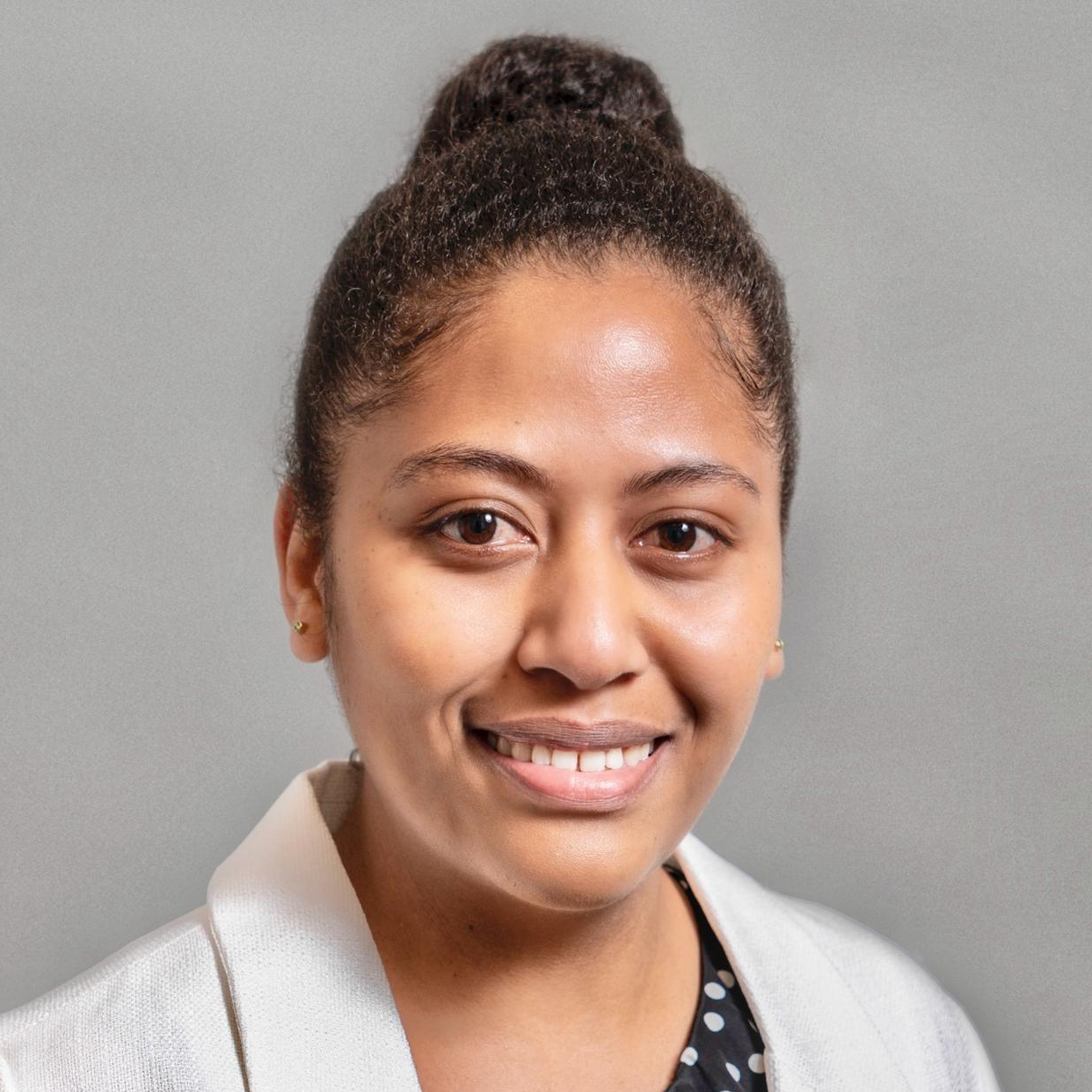
Roxanne Tsang is a Papua New Guinean early-career researcher and currently a lecturer at the University of Papua New Guinea, Port Moresby, Papua New Guinea. In 2023, she graduated with a PhD in archaeology from Griffith University, Australia (with Excellence in the Research Thesis). Her most recent publications stemming from her PhD are published in journals such as Journal of Island and Coastal Archaeology, Rock Art Research, Cambridge Archaeology and Archaeology in Oceania. She will help edit Volume 2.
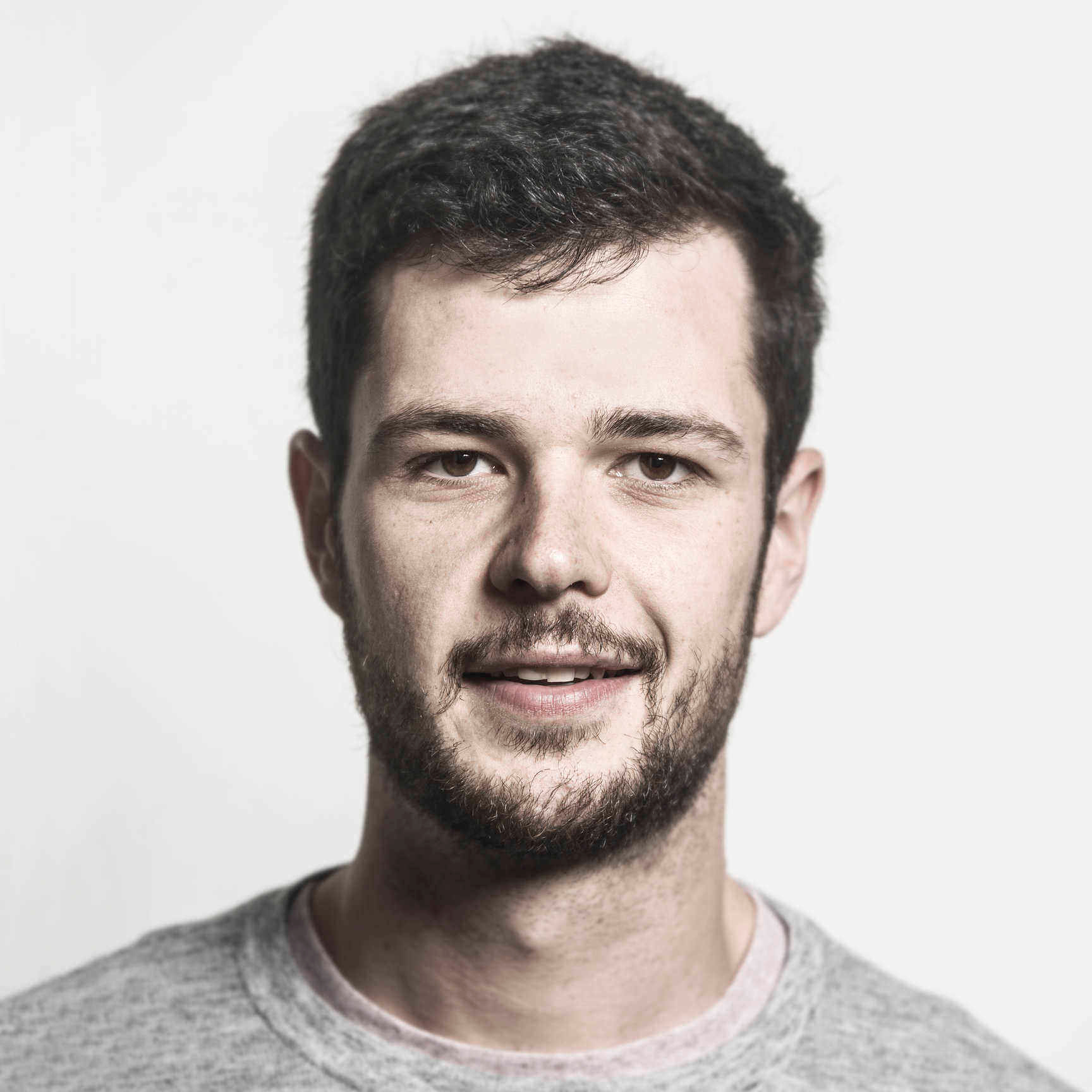
Chris Urwin is a research fellow at Monash University and the Australian Research Council Centre of Excellence for Australian Biodiversity and Heritage. He conducts archaeological and museum-based research with Indigenous communities in Australia and the Pacific. Chris is currently working with Yanyuwa Families to investigate poorly understood and environmentally threatened Makassan trepang fishery sites in Australia’s Gulf of Carpentaria. Urwin has held a postdoctoral fellowship at the Smithsonian Institution and worked as curator for the First Peoples archaeology collection at Museums Victoria. He will help edit vol. 3.
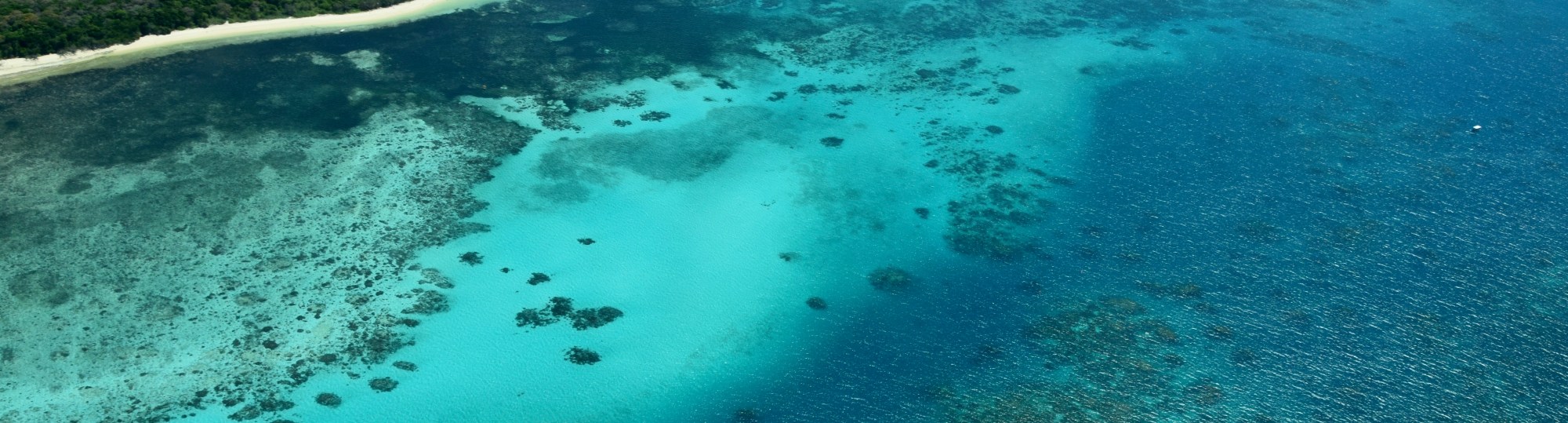
[TOP IMAGE: CREATIVE COMMONS; AUTHOR HEADSHOTS BY PERMISSION].


 A New History of Oceania ~ Sixty Thousand Years